
Inside the St. Landry Parish Most Wanted Program
St. Landry Parish built its program on a three-way partnership: police, media, and the community. One piece gathers information through an anonymous tip line. A civilian board reviews results, and local outlets carry a profile each week. The structure tells you the purpose. The program moves information from the public to an investigator; it does not publish a full legal record of everyone with an outstanding warrant. The official Crime Stoppers program page explains how the tip process is organized, and the Sheriff's Office works the cases behind it. Someone checking on a personal matter needs a different route than the tip line.
How St. Landry Parish Most Wanted Lists Work
Nobody compiles these pages by machine. A person decides which cases go on a most wanted list in St. Landry Parish, and the picks serve a public-safety goal rather than the full docket. Local media run their profiles on a weekly rhythm. The board meets monthly to look over arrests and reward amounts. Those are program habits, not court records. Court status lives in the court file. Custody status lives with whichever agency holds the person. So treat a most wanted page as one public message among several, not as a warrant check. A missing name proves nothing, since a name absent from a profile page is not evidence that no warrant exists. A name that does appear is not by itself a current status either. Note: A curated list reflects a program's choices, not the full set of open warrants in the parish.
Sending a Most Wanted Tip Safely
A tip is information, and the St. Landry Parish program is built to protect the person who gives it.
Tip line: 337-948-TIPS (8477), or *TIPS (*8477) from a mobile phone. Online tips go through the secure WebTip form, and a P3 smartphone app route is also published. Calls are not recorded, and a coordinator passes a tip form to the investigator handling the case.
WebTip allows two-way dialogue, so a tipster can stay anonymous and still answer a follow-up question about the case or a reward later. Reward policies and availability can change. Confirm the current terms with the program. The safest habit in St. Landry Parish is the one law enforcement itself publishes: send what you know, and do not approach anyone.
How Most Wanted Differs From an Active Warrant
The two ideas overlap but they are not the same thing.
| Point | Most Wanted Program | Active Warrant Record |
|---|---|---|
| Purpose | Gather anonymous information on selected cases | Record the court's process and its current status |
| Completeness | Curated subset, chosen by the program | One case in one court file |
| Who maintains it | The program and its participating agency | The court, with the clerk as record keeper |
| How to check your own case | Not the right channel | Call the issuing court with the case number |
| Right public action | Send a tip and stay away | Ask the court about appearance, payment, or a motion |
A person checking on their own status in St. Landry Parish should never call the tip line to find out. That call reaches an investigator, not a clerk.
When You Believe You Are Listed
Finding your own name on a public program page in St. Landry Parish is frightening. The first move is not to contact the program.
Do not approach anyone listed, and do not confront the situation alone. If you believe you are on a list, contact a licensed Louisiana attorney and the issuing court before taking any other step.
The court holding the case is the office that can say whether a warrant is active, what the bond is, and what the court accepts as the next step. A lawyer can arrange a voluntary appearance. A lawyer can also review the docket and explain what happens at booking. Ask whether the listing can be updated once the case is resolved, and who handles that. Program pages and court records in St. Landry Parish update on their own schedules.
St. Landry Parish Most Wanted Tip Lines
The local Crime Stoppers program publishes several ways to send information. Each one is designed to keep the caller out of the record in St. Landry Parish.
- A local tip line at 337-948-TIPS (8477), answered without recording.
- The *TIPS (*8477) short code for mobile callers.
- A secure online WebTip form with two-way follow-up.
- A P3 smartphone application route.
- A coordinator who forwards the tip form to the assigned investigator.
Those channels belong to the program, not to the court. Use them for information about unsolved crime or a wanted person in St. Landry Parish. Use the court for anything about your own case.
St. Landry Parish Most Wanted Rewards
Rewards are program money, not court money. A civilian board reviews arrests and sets reward amounts on a monthly schedule, and a tip can pay up to $1,000. The program also runs a weekly profile through local television, radio, and newspaper partners. Tips go straight to the proper law enforcement agency. You never have to show up anywhere to collect. The WebTip route carries reward details through the same anonymous channel. Call the program first to confirm current terms before counting on any figure. Note: reward funds come from the program, and they stay separate from fines, bonds, and recall fees in St. Landry Parish.
The State DOC Most Wanted Program
Louisiana's corrections department keeps a statewide wanted page of its own, apart from anything the sheriff or courts in St. Landry Parish publish.
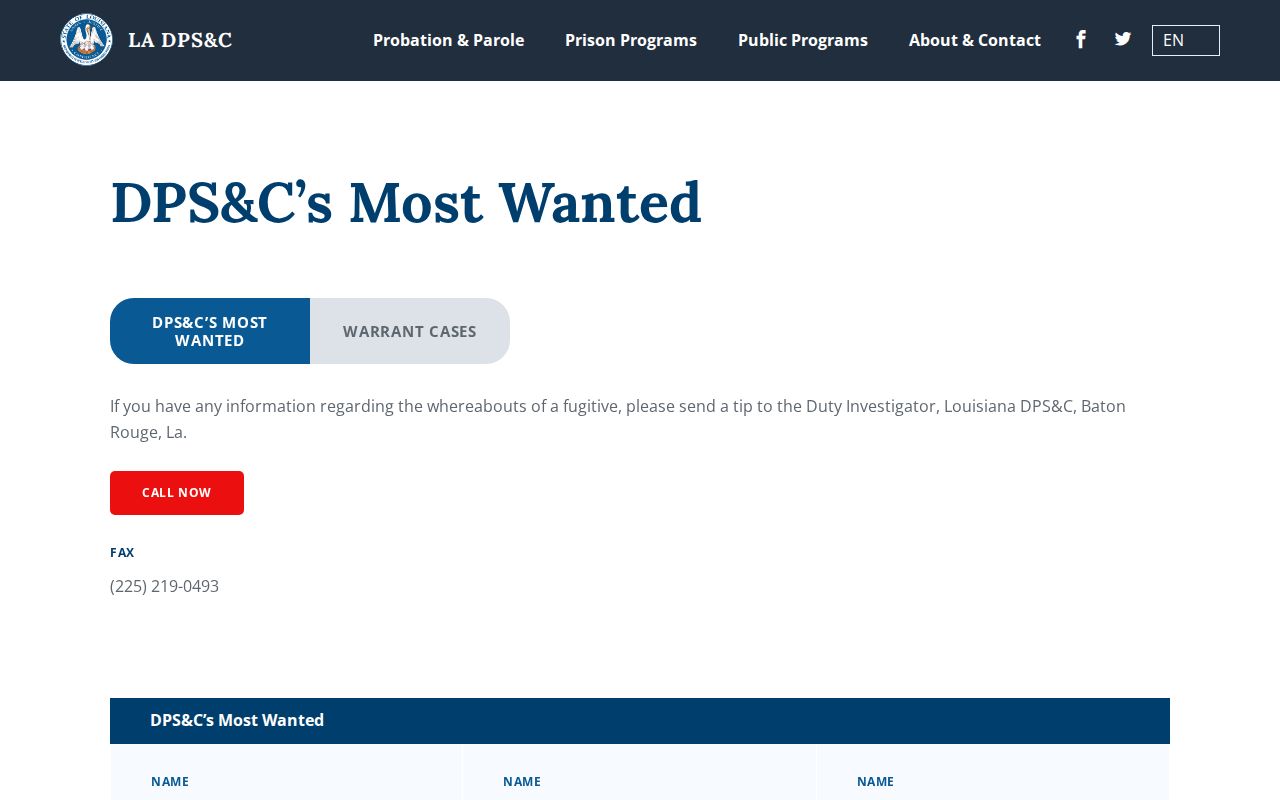
The DOC list covers selected probation, parole, and corrections cases. It is not a full roster of St. Landry Parish active warrants, traffic warrants, or district bench warrants. A resident could still have a warrant the page never shows. Only the issuing court can answer that question for sure.
St. Landry Parish Most Wanted Lists Stay Private
Nothing here reproduces names, photographs, or a roster of wanted people from St. Landry Parish. That is a deliberate choice. What stays closed is governed by the Louisiana Public Records Law.
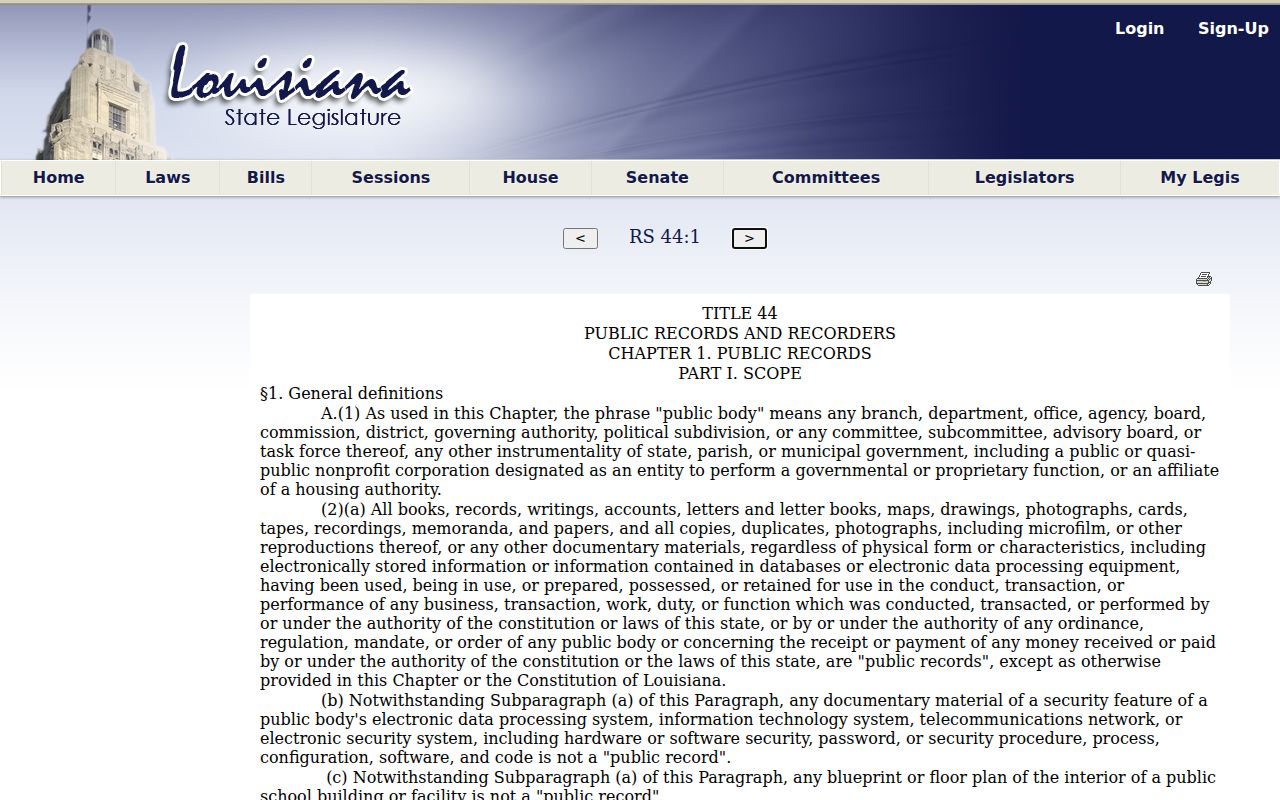
Public access is the rule for records held by public bodies, though the same law carves out exceptions, and those exceptions explain the closed files here. Juvenile records stay confidential. Sealed records stay unavailable. A pending investigation can be withheld too. A copied list of names would also age fast, since a program page is the live source and the publishing office can correct it at any time. For a specific case, ask the program or the court directly about the current status.
St. Landry Parish Tip Lines and Court Status
St. Landry Parish gives you two phone numbers with two different jobs. The tip line takes information about someone else. The clerk handles case questions, even your own. Calling the tip line for a status update goes nowhere useful, since the person answering is gathering a tip, not reading a docket. The reverse holds too: a clerk cannot accept anonymous information about a crime. Wondering whether a warrant exists in your case? Ask the court that issued it. If instead you know something about someone else's matter, use the tip line and stay out of it.
Federal Warrants and St. Landry Parish
Federal warrants run separately from state and city process, even for someone living in St. Landry Parish. The U.S. Marshals Service serves most federal warrants. Its Western District of Louisiana office covers this area. That number is 337-262-6666. A federal arrest can follow a complaint supported by probable cause or an indictment. Federal dockets are read through PACER. State and federal lists never merge. A state corrections most wanted page and a federal warrant are different matters, and the right agency to call depends on which court issued the process. Note: Ask which jurisdiction issued the process before choosing who to contact, because each keeps its own file.